
 Image 1 of 1
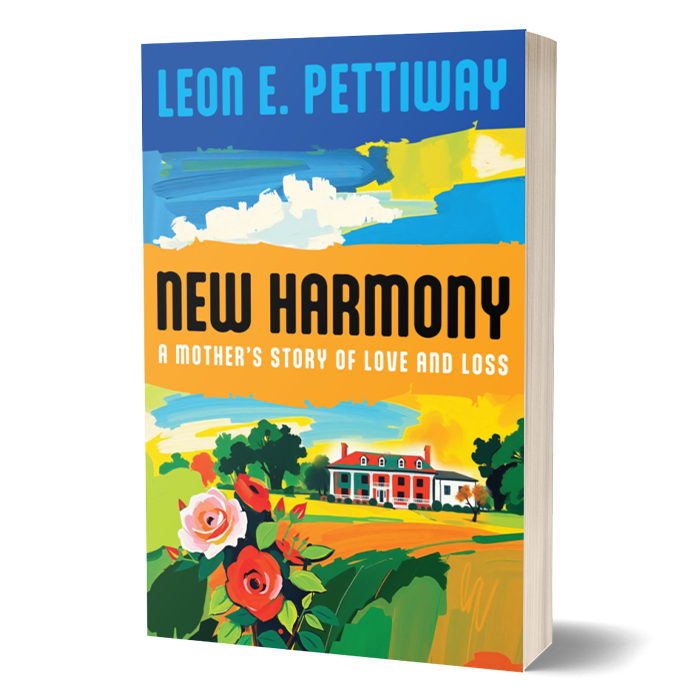
Book One in the New Harmony Series
Margaret Butler’s story is the nightmare every mother dreads—the death of her child. As a deeply spiritual woman born in 1905, her story also reflects the laments of former slaves and their descendants because her son’s murder, as well as the truth of who killed him, is wrapped up in the paternalism and racism of the South, reflected in the lives of Ophelia and Hollis Demmings, occupants of the Big House. Their two children, Candy and Floyd Demmings, as well as the objects of their affection, become collateral elements that contribute to Thad Butler’s murder and the eventual murder of Hollis Demmings. After recounting Thad’s funeral in the first chapter, Margaret’s story begins as a ten-year-old who fervently wishes to be schooled.
The remainder of Part One follows the contours of Margaret’s life, from the innocence of her childhood to the death of her son. Framed by the 1949 funeral of her 16-year-old son, Part One builds the intricate web of decisions and behaviors that become the rationalizations for murder. Part Two recounts what unfolds after her son’s death, continuing until we discover the reasons for his murder and the culprits’ identity. Yet, the ending still offers some unexpected twists.
New Harmony’s prose is lyrical and immersive, grounded in emotional precision with a tone reminiscent of the oral tradition.
New Harmony is the first of a three-part series.
Book One in the New Harmony Series
Margaret Butler’s story is the nightmare every mother dreads—the death of her child. As a deeply spiritual woman born in 1905, her story also reflects the laments of former slaves and their descendants because her son’s murder, as well as the truth of who killed him, is wrapped up in the paternalism and racism of the South, reflected in the lives of Ophelia and Hollis Demmings, occupants of the Big House. Their two children, Candy and Floyd Demmings, as well as the objects of their affection, become collateral elements that contribute to Thad Butler’s murder and the eventual murder of Hollis Demmings. After recounting Thad’s funeral in the first chapter, Margaret’s story begins as a ten-year-old who fervently wishes to be schooled.
The remainder of Part One follows the contours of Margaret’s life, from the innocence of her childhood to the death of her son. Framed by the 1949 funeral of her 16-year-old son, Part One builds the intricate web of decisions and behaviors that become the rationalizations for murder. Part Two recounts what unfolds after her son’s death, continuing until we discover the reasons for his murder and the culprits’ identity. Yet, the ending still offers some unexpected twists.
New Harmony’s prose is lyrical and immersive, grounded in emotional precision with a tone reminiscent of the oral tradition.
New Harmony is the first of a three-part series.